

Making Individual Physical Objects Observable
Our Mission
Generate validated data about what happens to individual physical objects—connecting physical history with downstream outcomes for enterprise systems and AI.
What We Generate
Connected, analysis-ready data about the physical events that matter.
Architecture
Object → persistent identity → application-specific observation → validated event → object history → enterprise/ML value
Observation methods vary by application and may combine Rubitel technology, existing systems, and appropriate sensors. The object remains the persistent data anchor.
Our initial focus is life sciences, where missing physical history can materially affect scientific and clinical interpretation.
Applications
Biosamples: Time, temperature, custody and handling → more interpretable analytical results
Consumer products: Delivery, use and consumption → brand relationship + behavioral data
Sensitive materials: Environment, custody and condition → quality + risk data
Industrial components: Handling, exposure and installation → provenance + performance data
Translational & Diagnostic Data
Therapeutic & Real-World Data
Drug, Biomarker & DTx Development
Clinical & Laboratory Operations
Translational & Diagnostic Data

Every biological result has a history. Yet the conditions experienced by an individual specimen between patient and assay are often fragmented, incomplete, or disconnected from the analytical result.
Rubitel generates specimen-level datasets that connect longitudinal coded clinical context, specimen history, protocol execution, and analytical results.
Observation methods are application-specific and may combine Rubitel technology, existing systems and appropriate sensors.
Therapeutic & Real-World Data
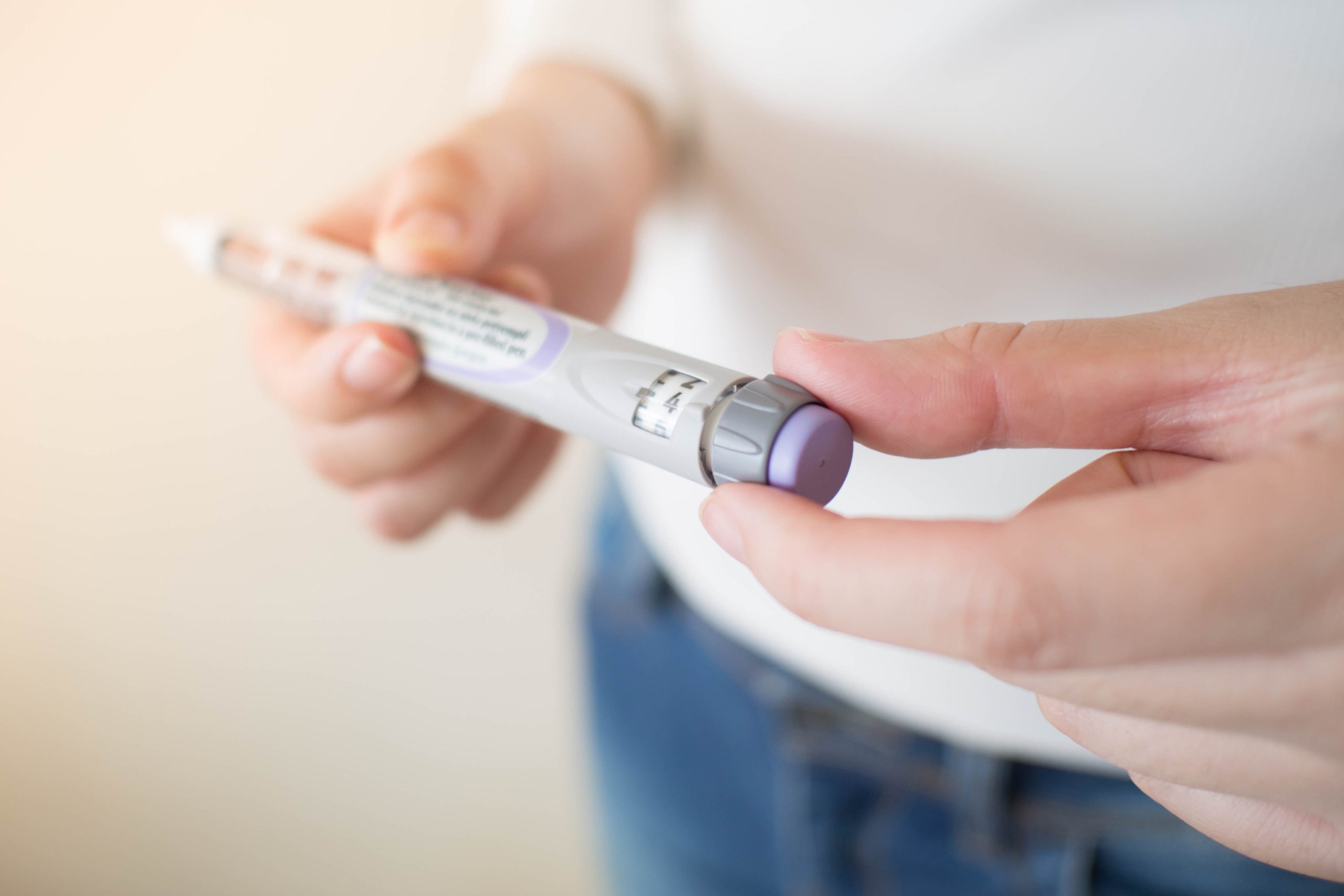
Therapeutic performance can depend on storage, transport, handling, administration, and patient use—yet these real-world conditions are often missing from conventional datasets. Rubitel creates product-level exposure histories that can be linked with clinical, adherence, stability, and outcome data.
The resulting longitudinal datasets can support product-quality analysis, risk stratification, stability programs, decentralized trials, real-world evidence generation, and machine-learning models designed to understand why outcomes differ between patients, products, and environments.
Drug, Biomarker & DTx Development

Development teams routinely analyze biological and clinical outcomes without having an objective record of everything that happened to the specimen, therapeutic, or intervention that produced them. Rubitel creates connected datasets linking longitudinal coded clinical context with specimen or product history, protocol execution, and analytical outcomes.
These datasets create new features for statistical analysis and machine learning—supporting feature discovery, model training and validation, patient stratification, trial-quality assessment, and identification of operational variables that might otherwise be mistaken for biology or treatment response.
Clinical & Laboratory Operations

In life sciences, logistics are not simply movement—they are part of the experimental record. Timing, temperature, location, custody, processing, handling, and other operational events can influence downstream results, yet much of this information is never incorporated into the scientific dataset.
Rubitel captures these events at the specimen or product level and connects them with laboratory and clinical data. The result is an objective data layer that can explain variability, identify protocol deviations, predict risk, and improve future study design and operations.
Get In Touch